Skip to content


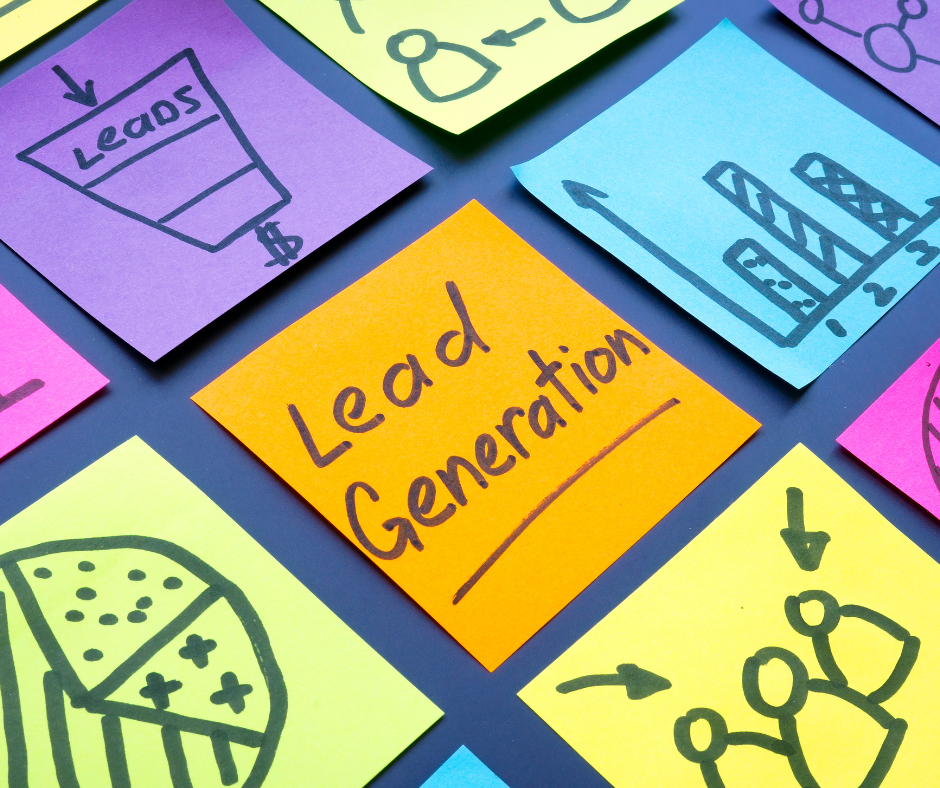

Every med spa has a version of the same problem: leads come in, and too many of them never book. The Google Ads campaign works. The landing page converts. The email opt-in populates. And then the leads sit there — un-responded to for hours, added to a spreadsheet nobody looks at, or handled by a front desk team that doesn’t have time to follow up. The result: high marketing spend, low patient acquisition, and no idea where the funnel is leaking. This playbook is about the fix. It walks through the 5 layers of a working med spa lead generation system, why speed-to-lead matters more than any other lever, and the specific automation and consultation moves that separate practices booking 40% of their leads from practices booking 15%.
Quick answer: Med spa lead generation isn’t just about running ads or building landing pages. It’s a 5-layer system: (1) lead capture through high-converting forms and lead magnets, (2) speed-to-lead response within 5 minutes (or ideally 60 seconds), (3) multi-touch nurturing across email, SMS, and remarketing, (4) consultation optimization that closes at 50%+, and (5) measurement that catches drops in the funnel. Most practices under-invest in layers 2 and 3, which is why they see high cost-per-lead and low cost-per-patient conversion. Fix the middle of the funnel and every marketing dollar works harder.
Key Takeaways
- Lead generation is a full-funnel discipline. Most med spas do the top of the funnel (attention) reasonably well and drop leads through the middle (response and nurturing).
- Speed-to-lead is the single highest-ROI lever available. Responding within 5 minutes vs 30 minutes produces roughly 100x higher conversion rates (InsideSales/MIT lead response study).
- Typical med spa lead-to-consult conversion is 20-30%. High performers with fast response and strong nurturing hit 35-45%.
- HIPAA compliance applies to lead nurturing. Every automated sequence, every SMS, every remarketing pixel needs to be set up with compliance in mind.
- Consultation experience is where most conversion actually happens. Front desk training, provider preparation, and objection handling matter more than fancy landing pages.
Why “Lead Generation” Is the Wrong Frame
Most med spas approach lead generation as a top-of-funnel problem. “We need more leads.” So they run more ads. Or hire an agency to run more ads. Or launch a new social channel. The lead volume goes up. The cost-per-lead maybe goes down. And patient acquisition barely moves.
That’s because the actual bottleneck in almost every med spa isn’t the top of the funnel. It’s the middle. Leads are already coming in. What’s missing is the response system, the nurturing workflow, and the consultation experience that turns those leads into booked patients.
The reframe that changes everything: lead generation isn’t about generating leads. It’s about generating booked patients. Every activity between “lead comes in” and “patient shows up for treatment” is part of lead generation. Ads are one layer. Everything after ads matters more.
The 5 Layers of a Working Med Spa Lead Generation System
Layer 1: Lead Capture
The visible layer. This is where prospective patients give you their contact information — through website forms, landing pages, lead magnets, chat conversations, phone calls, or booking flows.
High-converting lead capture components:
- Dedicated landing pages per campaign. Sending paid traffic to your homepage converts at 1-3%. Sending it to a treatment-specific landing page converts at 8-15%. Every ad campaign gets a dedicated landing page.
- Short forms. Every additional form field drops conversion 5-10%. Ask for name, phone, email, and preferred treatment. Skip everything else and capture the rest during the consult.
- Multi-channel capture. Web forms, phone calls, SMS opt-ins, chat conversations, and in-practice signups all feed the same lead pool. Consolidating them into a single CRM view is what makes downstream nurturing possible.
- High-converting lead magnets. Free consultations (highest intent, most staff-intensive), treatment-specific pricing guides (great mid-funnel converters), interactive quizzes and skin analysis tools (scale well, moderate intent), educational treatment guides, before-and-after gallery access.
Common Layer 1 mistakes: Forms with 8+ fields, generic “contact us” pages for every campaign, no lead magnet variety, and forms that don’t feed directly into the CRM.
Layer 2: Speed-to-Lead Response
The single highest-ROI lever available to a med spa. And the most under-invested one.
The InsideSales/MIT lead response study, which analyzed thousands of B2B and consumer inquiries, found that contacting a lead within 5 minutes vs 30 minutes produces roughly 100x higher conversion rates. Contacting within 5 minutes vs 60 minutes is roughly 21x higher. The pattern replicates across consumer verticals including healthcare and aesthetic services.
The mechanism is simple: a prospective patient who fills out a form at 8:47 PM on a Tuesday is actively researching. They’re comparing 3-5 practices. Whoever contacts them first, with a personalized response, wins the mental commitment. By the time your front desk team gets to their inquiry at 9:15 AM Wednesday morning, they’ve already scheduled a consultation with a competitor.
How med spas actually solve this in 2027:
- Immediate automated response. Every lead form submission triggers an SMS or email within 60 seconds acknowledging the inquiry, setting expectations for next contact, and offering an immediate scheduling option.
- AI-powered lead response for after-hours. Most inquiries come in outside 9-5 business hours. AI front desk agents like Gia handle initial engagement, answer common questions, and pre-qualify or schedule consultations 24/7 without human intervention.
- Human handoff during business hours. For higher-value inquiries (cosmetic surgery consults, high-value treatment plans), the AI engages immediately and hands off to a live team member within 5 minutes.
- Response time monitoring. Track median response time and 90th percentile response time monthly. If median response time is over 5 minutes, the speed-to-lead problem is costing you more than any other single fixable issue.
If a med spa is only going to fix one thing about its lead generation, it should be this layer.
Layer 3: Multi-Touch Nurturing
Only 30-40% of leads book on their initial inquiry. The other 60-70% need multiple touches before converting — and most practices lose those leads because there’s no systematic nurturing.
The standard med spa lead nurture sequence:
- Immediate (0-5 min): Automated response acknowledging inquiry, offering direct scheduling
- 1-2 hours: Human follow-up call or personalized message (during business hours) or scheduled follow-up (after hours)
- 24-48 hours: Educational email answering common questions about the specific treatment they inquired about
- 3-7 days: Social proof — reviews, before-and-after visuals, testimonials from similar patients
- 7-14 days: Case study or provider spotlight relevant to their inquiry
- 14-30 days: Special offer, consultation reminder, or new-patient promotion
- 30+ days: Move to slower cadence (monthly educational content) unless re-engaged
Every touch must be HIPAA-compliant. Every message needs to be tied to consent management. Every list must have unsubscribe flows.
The tools that make this work:
- Marketing automation platform that triggers sequences based on lead source, treatment interest, and behavior
- CRM that tracks every touchpoint and lead status
- Email and SMS platforms integrated with the CRM
- Remarketing pixels for the leads who don’t book (with HIPAA-conscious segmentation)
Practices trying to run nurturing sequences manually always lose leads. The volume and cadence require automation.
Layer 4: Consultation Optimization
The consultation is where the actual conversion happens. Lead capture and nurturing get someone in the door. The consultation determines whether they become a patient.
Industry benchmarks show consultation-to-treatment conversion of 50-70% for med spas. The gap between 50% and 70% is huge — a 20-percentage-point improvement in consult conversion often doubles patient acquisition without changing anything about lead volume.
What separates high-converting consultations from average ones:
- Preparation before the consult. The provider reads the lead’s inquiry, any prior interactions, and treatment interest before walking into the room. Cold consultations feel transactional; prepared consultations feel personal.
- Genuine listening in the first 5 minutes. The consult opens with the patient describing their goals and concerns, not with the provider pitching treatments.
- Education over sales. Explain treatment options, expected outcomes, and honest limitations. Patients who feel informed convert; patients who feel sold to don’t.
- Transparent pricing. Present pricing clearly, offer financing options, and don’t hide numbers behind pressure tactics. Aesthetic patients research pricing extensively before consulting; hiding it damages trust.
- Objection handling with empathy. Common objections (cost, downtime, safety concerns, timing) are addressed with substance, not dismissal.
- Clear next-step action. Every consult ends with either a booked treatment date, a scheduled follow-up conversation, or a documented reason for not proceeding. Never “let me think about it and I’ll call back.”
- Trained front desk support. The front desk team is often the make-or-break for whether a scheduled consult actually happens. Reminders, warm handoffs, and pre-consult questions are the front desk team’s territory.
Practices that treat consultation optimization as a training investment (not just a scheduling problem) see 15-30% improvement in consult conversion within 90 days.
Layer 5: Measurement and Iteration
You cannot improve what you don’t measure. The core lead generation metrics every med spa should track monthly:
- Cost per Lead (CPL) by source. Google Ads, Meta, organic search, referrals, walk-ins. Every source gets tracked separately.
- Lead-to-Consultation Conversion Rate. The percentage of leads that schedule and attend a consultation. Benchmark: 20-30% average, 35-45% high performers.
- Median Response Time. How fast does your practice respond to new leads? If it’s over 5 minutes, this is your highest-ROI fix.
- Consultation-to-Treatment Conversion Rate. The percentage of consultations that convert to booked treatment. Benchmark: 50-70%.
- Patient Acquisition Cost (PAC). Total marketing spend divided by new patients acquired. Should trend down as the funnel improves.
- Lifetime Value (LTV) per Patient. Total revenue per patient over their full relationship. LTV/PAC should exceed 8x for healthy economics.
- Attribution by source. Which sources produce the highest-LTV patients (not just the cheapest leads)? Reallocate budget accordingly.
Review these monthly, not quarterly. Weekly for CPL and response time.
Common Med Spa Lead Generation Mistakes
Optimizing top-of-funnel while ignoring the middle. Every new lead you generate is wasted if your response time is 4 hours. Fix response time before increasing lead volume.
No nurturing sequence for non-immediate converters. 60-70% of leads don’t book on first inquiry. If they don’t hear from you again in 7 days, they’re gone.
Consultation experience that feels transactional. A well-run consultation is worth more than any landing page optimization. Under-investing here caps conversion regardless of other work.
Missing HIPAA compliance in nurturing. Sending treatment-specific SMS reminders to leads based on their inquiry data can create compliance exposure if not set up correctly. Consult your platform’s BAA and legal review.
Not tracking by source. All leads are not equal. Google Ads leads may convert differently from Instagram leads or referrals. Without source-level attribution, you can’t optimize spend.
Trying to run nurturing manually. Volume + cadence + personalization + compliance = automation required. Manual nurturing fails at any scale beyond 20-30 leads per month.
Confusing lead volume with lead quality. 500 low-quality leads that don’t convert are worth less than 100 high-quality leads that do. Ruthlessly measure quality, not just quantity.
The Integrated Med Spa Lead Generation Stack
A working lead generation system requires connected tools:
- Website + Landing Pages: Purpose-built for aesthetic conversion
- Lead Capture: Forms, chat, phone tracking, virtual consult intake
- CRM: Single source of truth for every lead and touchpoint
- Speed-to-Lead: AI-powered lead response for 24/7 <60-second engagement
- Marketing Automation: Multi-touch nurturing sequences across email and SMS
- Paid Media: Managed campaigns driving qualified traffic to landing pages
- Analytics: Attribution, conversion tracking, cohort analysis
Practices running these tools as separate vendors coordinate constant handoffs (see the cross-channel integration playbook for why this fails). Integrated platforms are how leading practices operate the whole stack as one system.
FAQ: Med Spa Lead Generation Questions Answered
What is med spa lead generation?
Med spa lead generation is the complete system of capturing prospective patient contact information (through lead magnets, forms, calls, or chat), nurturing those leads with multi-touch communication, and converting them into booked consultations and paying patients. Effective lead generation is a full-funnel discipline, not just running ads.
What’s a good lead-to-consultation conversion rate for a med spa?
Industry benchmarks show a typical lead-to-consultation conversion rate of 20-30% for med spas. High-performing practices with fast lead response and strong nurturing workflows can hit 35-45%. The single biggest factor separating high performers from average is speed-to-lead — responding within 5 minutes vs 30 minutes typically produces meaningfully better conversion.
Why do med spa leads fail to convert?
The four most common reasons med spa leads fail to convert: (1) slow response time — most practices take hours or days to follow up, when leads expect a response in minutes, (2) no nurturing sequence — leads that don’t book immediately get lost forever, (3) poor consultation experience — hard sell tactics or unprepared front desk staff derail warm leads, (4) missing HIPAA-compliant follow-up systems that let leads slip through the cracks.
How fast should a med spa respond to a new lead?
Under 5 minutes for optimal conversion, ideally under 60 seconds. The InsideSales/MIT lead response study found that contacting a lead within 5 minutes vs 30 minutes produces roughly 100x higher conversion rates. For a med spa, this typically means implementing automated response systems (AI chat, SMS auto-response) that engage new leads immediately, followed by human handoff during business hours.
What’s the best lead magnet for a med spa?
The highest-converting med spa lead magnets are: (1) free virtual consultation or in-person consultation offers (highest intent), (2) treatment-specific pricing guides (“Botox pricing guide for [city]”), (3) interactive treatment quizzes or skin analysis tools, (4) educational treatment guides for specific concerns, and (5) before-and-after gallery access. Free consultations convert best but require the most staff time; guides and quizzes scale better but produce lower-intent leads.
How do you nurture med spa leads that don’t book immediately?
The standard med spa lead nurture sequence: (1) Immediate response within 5 minutes acknowledging the inquiry, (2) 24-48 hour educational email answering common questions about the treatment they inquired about, (3) 3-7 day follow-up with social proof (reviews, before/afters), (4) 7-14 day case study or provider spotlight, (5) 14-30 day special offer or consultation reminder. All nurturing must be HIPAA-compliant with proper consent management.
Key Insights
Med spa lead generation in 2027 is not a paid-ads problem, an SEO problem, or a content problem. It’s a system problem. Practices that treat it as a system — with intentional lead capture, ruthless speed-to-lead, multi-touch nurturing, optimized consultations, and honest measurement — book meaningfully more patients from the same lead volume than practices trying to solve it channel by channel.
The single move that produces the biggest change: fix response time. If a lead can’t get a response within 5 minutes, no amount of ad spend, SEO investment, or content marketing will make the funnel efficient. Response speed is where the compounding starts.
For channel-specific execution on lead-generating sources, see the med spa content marketing playbook and the med spa paid advertising playbook. For how your channels should be integrated into a single lead conversion system, see the cross-channel integration playbook.
You built your practice because you’re excellent at your craft. The work of building the lead capture systems, automating speed-to-lead response, running multi-touch nurturing workflows, and training the team on consultation conversion — that’s specialized work. We bring the integrated platform and the specialist team. You bring the clinical excellence and provider voice. Together, that’s how a leaky lead funnel turns into a compounding patient acquisition engine.